Pet Microchipping: En trygg måte å beskytte kjæledyret ditt på

Å miste et kjæledyr er en situasjon ingen dyreeier ønsker å oppleve. Hunder og katter kan plutselig løpe bort, komme seg ut gjennom en åpen dør eller bli borte under en tur. Pet microchipping er en enkel og effektiv metode for permanent identifikasjon som kan gjøre det betydelig lettere å gjenforene et bortkommet kjæledyr med familien sin.

Hva er en mikrochip?

En mikrochip er en liten elektronisk brikke, omtrent på størrelse med et riskorn, som plasseres under huden. Brikken inneholder et unikt identifikasjonsnummer. Når en veterinær, dyreklinikk eller et dyrevernsenter skanner chipen, kan nummeret kobles til informasjonen som er registrert i en mikrochip-database.

Det er viktig å vite at mikrochipen ikke inneholder GPS og derfor ikke kan brukes til å spore kjæledyrets posisjon i sanntid. Den fungerer først og fremst som permanent identifikasjon.

Hvorfor bør du mikrochipe kjæledyret ditt?

Den største fordelen med pet microchipping er at chipen ikke kan falle av på samme måte som et halsbånd eller en ID-brikke. Dersom et kjæledyr blir funnet uten halsbånd, kan en skanning fortsatt avsløre identifikasjonsnummeret og bidra til å finne eieren.

Statistikk viser også hvor nyttig mikrochip kan være. Ifølge American Veterinary Medical Association blir mikrochippede hunder og katter gjenforent med eierne langt oftere enn dyr uten mikrochip. For hunder er returandelen oppgitt til 52,2 prosent for mikrochippede dyr, sammenlignet med 21,9 prosent for hunder uten chip. For katter er forskjellen enda større.

Hvordan foregår mikrochipping?

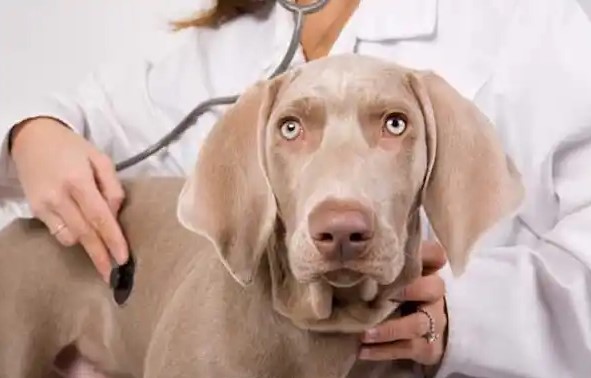
Selve prosedyren er rask og kan vanligvis utføres under et vanlig veterinærbesøk. Mikrochipen settes under huden ved hjelp av en nål, og det er normalt ikke nødvendig med bedøvelse eller kirurgi. Veterinæren sørger for at chipen plasseres riktig og kan samtidig kontrollere kjæledyrets generelle helse.

Mikrochipping regnes generelt som en trygg prosedyre, og komplikasjoner er sjeldne. Dersom du oppdager uvanlig hevelse, væske eller andre problemer rundt området der chipen ble satt inn, bør du kontakte veterinær.

Registrering er avgjørende

Det er ikke nok å bare få satt inn en mikrochip. Chipens identifikasjonsnummer må registreres i riktig database sammen med eierens kontaktinformasjon. Dersom telefonnummer, adresse eller e-post endres, bør informasjonen oppdateres så snart som mulig. Feil eller manglende kontaktinformasjon er en vanlig årsak til at mikrochippede kjæledyr ikke blir gjenforent med eierne sine.

Det anbefales også at veterinæren skanner chipen under regelmessige kontroller for å bekrefte at den fortsatt kan registreres og leses.

Mikrochip erstatter ikke halsbånd

Selv om en mikrochip gir permanent identifikasjon, bør kjæledyret fortsatt bruke halsbånd med synlig ID-informasjon. En person som finner en hund eller katt, kan da kontakte eieren raskt uten å måtte oppsøke en veterinær eller et dyrevernsenter.

Pet microchipping bør derfor ses på som et ekstra sikkerhetslag. Kombinasjonen av mikrochip, halsbånd, oppdatert registrering og gode rutiner gir kjæledyret bedre beskyttelse dersom det skulle bli borte.

Å mikrochipe kjæledyret er et lite tiltak som kan få stor betydning. Ved å sørge for at chipen er registrert og kontaktinformasjonen alltid er oppdatert, øker du muligheten for å få hunden eller katten trygt hjem igjen dersom uhellet skulle være ute.
Pet Microchipping Guide: Ensuring Your Pet’s Safety and Security

For pet owners, ensuring the safety and well-being of their furry companions is a top priority. One of the most effective ways to protect pets from being permanently lost is through microchipping. Pet microchipping is a quick, safe, and reliable method of providing permanent identification, making it easier to reunite lost pets with their families. This guide will walk you through everything you need to know about the process, benefits, and maintenance of a pet microchip.

What is Pet Microchipping?
Pet microchipping involves implanting a small, rice-sized microchip under your pet’s skin, typically between the shoulder blades. The chip contains a unique identification number that can be read by a microchip scanner. This number is registered in a pet recovery database along with the owner’s contact information. Unlike collars and tags, which can fall off or be removed, a microchip offers permanent identification.

How the Process Works
The microchipping procedure is quick and relatively painless. A veterinarian uses a needle to insert the chip, much like giving a vaccination. No anesthesia is required, and the entire process usually takes just a few minutes. Once implanted, the pet owner must register the chip with their contact details in an official database. Without registration, the chip cannot fulfill its purpose.

Benefits of Microchipping Your Pet
The biggest advantage of microchipping is the increased likelihood of recovering a lost pet. According to studies, microchipped dogs are more than twice as likely to be returned to their owners, while microchipped cats are over 20 times more likely to make it home. Microchips are also tamper-proof and last a lifetime, making them a one-time investment in your pet’s safety.

Additionally, microchips can be scanned by animal shelters, veterinary clinics, and rescue organizations around the world. This means even if your pet gets lost far from home, there is still a good chance of being reunited.

Important Considerations
While microchips are highly reliable, they are not GPS trackers. They cannot provide real-time location data. Instead, they work as a permanent ID that links your pet to your contact information. It is essential to keep your registration details updated, especially if you move or change phone numbers. Many lost pets remain in shelters simply because their owners’ contact information is outdated.

Post-Microchipping Care
After the procedure, most pets experience little to no discomfort. You may notice slight tenderness at the insertion site for a day or two. Monitor the area for any unusual swelling or redness and contact your veterinarian if you observe any concerning symptoms.

Pet microchipping is an affordable, effective, and long-lasting solution for protecting your beloved companion. By taking a few minutes to have your pet microchipped and keeping your contact details updated, you can significantly increase the chances of a happy reunion if they ever go missing. It is a small step that provides lifelong peace of mind for both you and your pet.

Why Pet Microchipping is Essential for Your Pet’s Safety

Pet microchipping has become a fundamental practice for responsible pet ownership, providing a secure and reliable method of identifying pets and reuniting them with their owners if they become lost. The process involves implanting a small microchip, about the size of a grain of rice, just beneath the skin, typically between the shoulder blades. This microchip contains a unique identification number that can be read by a scanner. This number is then linked to the owner’s contact information in a database, making it possible for veterinarians, animal shelters, and rescue organizations to quickly identify the owner of a lost pet.

One of the most significant advantages of pet microchipping is the permanence it offers. Unlike collars and tags, which can easily be lost, removed, or damaged, a microchip stays with the pet for life. This permanence is particularly crucial in situations where a pet has wandered far from home or has been lost for an extended period. A microchip provides a reliable form of identification that cannot be altered, ensuring that the pet’s rightful owner can be found regardless of how long it has been missing.

Microchipping is especially important for dogs, who are naturally curious and prone to exploring their surroundings. Even the most well-behaved dog can slip out of a yard, break free from a leash, or become spooked by loud noises, leading to a potentially dangerous situation where the dog is lost and unable to find its way home. A microchip significantly increases the chances of a lost dog being returned to its owner. When someone finds a stray dog, the first step is usually to take it to a veterinarian or animal shelter where it can be scanned for a microchip. If the dog is chipped and the information in the database is up to date, the reunion process can happen quickly and smoothly.

However, the effectiveness of microchipping relies on more than just the presence of the chip itself. It is crucial that the microchip is registered with the owner’s current contact information in the appropriate database. When a microchip is implanted, the owner must ensure that their details, such as phone number and address, are correctly entered into the database and updated whenever there are changes. If the information is outdated or incomplete, it can be difficult or even impossible to locate the pet’s owner, rendering the microchip useless.

In addition to dogs, cats also benefit greatly from microchipping. Cats, particularly those that are allowed outdoors, have a natural tendency to wander and explore, which increases the risk of becoming lost. A microchip can be a lifesaver in these situations, offering the same benefits of permanent identification and a higher likelihood of a happy reunion with their owners.

The process of microchipping is quick, simple, and minimally invasive. It can be done during a routine visit to the veterinarian and is relatively inexpensive. Given the significant peace of mind that microchipping provides, it is a small investment that can pay off enormously in the event that a pet goes missing.

In conclusion, pet microchipping is an essential safety measure that every pet owner should consider. The permanent identification provided by a microchip greatly increases the chances of a lost pet being returned to its owner. However, for microchipping to be effective, it is crucial that the chip is registered and that the owner’s contact information is kept up to date in the relevant database. By taking these simple steps, pet owners can ensure that their beloved animals are protected and that they have the best chance of being reunited if they ever become lost.